We pull the dust, dander and mold out of your ducts.
Air duct cleaning for allergies in Freehold
If you wake up congested in Downtown Freehold or sneeze every time the heat kicks on, air duct cleaning for allergies in Freehold is the fix. We run a negative air machine and HEPA vacuum through every trunk line and register, pull the dust, pet dander and mold spores that trigger flare-ups, and hand you back a house that breathes clean. Most homes take three to four hours.
Live phone supportUpfront optionsBacked workmanship
What's included
What is included in allergy duct cleaning
Every air duct cleaning for allergies in Freehold job includes the full source-removal process below. Add-ons like dryer vent cleaning, furnace cleaning and AC coil cleaning are quoted separately so you only pay for what your system needs.
Duct camera inspection
We scan the main trunk and at least three branch runs with a duct camera inspection system before any cleaning starts. You see the screen. If we find mold growth in ducts or a collapsed flexible duct, we show you and adjust the quote before work begins.
Negative air containment
A negative air machine ties into the main trunk and pulls the whole system under negative pressure. Every register except the working one is sealed. Loosened dust and dander go into the containment unit, not into your living room air.
Mechanical source removal
A rotary brush system scrubs rigid galvanized runs. An air whip and compressed air skipper work the flexible duct and tight elbows. We follow with a HEPA vacuum on every boot, register grille and return. This is the step that actually removes the allergen reservoir.
Sanitizing fog treatment
After mechanical cleaning, a fogger sanitizing machine distributes an EPA-registered sanitizing fog solution through the system. It reaches the coil face and the last few feet of every branch. Twenty to thirty minutes of dwell time, then we air the system out.
Joint sealing where accessible
We seal accessible duct joints with duct sealant and mastic, and use foil tape on flexible duct connections. Sealing is what keeps the clean ducts clean. On a typical Freehold home we seal 8 to 15 joints and measure the leakage reduction with a blower door.
Before-and-after documentation
You get photos of the trunk before and after, a written summary of what we found, and the blower door readings. If you have allergies or asthma, that documentation is useful for your doctor and for tracking whether the cleaning helped.
Service overview
What air duct cleaning for allergies in Freehold actually does
air duct cleaning for allergies in Freehold is a source-removal service that pulls settled dust, pet dander, pollen and mold spores out of your supply and return ducts before they cycle back into the rooms you sleep in. We hook a negative air machine to the main trunk, run a rotary brush system and air whip down each branch, then HEPA-vacuum every register grille and boot. Nothing gets pushed into the living space. Everything goes into a sealed containment unit.
Freehold homes built before 1980, especially around Freehold Borough and the Village Center, still run original galvanized ductwork with joints that leak 20 to 30 percent of their air. That leakage pulls attic insulation, basement dust and post construction dust straight into the system. Add a dog or two and you get pet dander buildup that never leaves. If you have been searching allergy relief duct cleaning Freehold on your phone at 2 a.m., that is the pattern we see every week.
How we workWe verify the cause, compare realistic options, and confirm the repair before we leave.
The service timeline
How our duct cleaning process runs
The process flexes to the condition, but these checkpoints keep decisions clear.
Walkthrough and camera scan
We start with a duct camera inspection system on the main trunk and two or three branch runs. You see the screen. If we find mold growth in ducts or a collapsed flexible duct, we show you before we quote anything. Takes 20 to 30 minutes.
Containment and negative pressure
We tie a negative air machine into the main trunk and seal every register except the one we are working. That keeps the whole house under negative pressure so loosened debris cannot drift into your living room. Setup runs about 20 minutes.
Mechanical cleaning
A rotary brush system handles rigid galvanized runs; an air whip and compressed air skipper work the flexible duct and tight elbows. We follow with a HEPA vacuum on every boot and register grille. This is the longest step, usually 90 minutes to two hours.
Sanitizing fog
Once the ducts are mechanically clean, a fogger sanitizing machine distributes an EPA-registered sanitizing fog solution through the system. It reaches the coil face and the last few feet of every branch. Twenty to thirty minutes of dwell time, then we air it out.
Verification and walkthrough
We re-scan the trunk with the duct camera, run a blower door reading, and walk you through what we found and what we sealed. You get before-and-after photos. Total job time for a typical Freehold home is three to four hours.
Tools & methods
Tools and methods we use
Purpose-built equipment, used by trained technicians, so the job is done accurately the first time.
Negative air machine (Abatement Technologies)
Pulls the entire duct system under negative pressure during cleaning so loosened dust and dander cannot escape into your living space. We pair it with HEPA filtration on the exhaust.
HEPA vacuum (Defender)
Final-pass vacuuming on every register boot, grille and return. HEPA filtration captures particles down to 0.3 microns, which includes most mold spores and a large share of pet dander.
Rotary brush system (Rotobrush)
Scrubs the walls of rigid galvanized trunk lines and branch runs. This is the step that breaks the matted dust and dander layer loose so the negative air machine can pull it out.
Air whip and compressed air skipper
Reach the flexible duct runs and tight elbows where a brush cannot go. The air whip uses high-pressure air to lift debris off the duct wall; the skipper pushes it toward the containment point.
Duct camera inspection system
Lets us see inside the trunk and branches before and after cleaning. We show you the screen. It is how we confirm mold growth in ducts or a collapsed flexible duct without cutting into drywall.
Fogger sanitizing machine
Distributes an EPA-registered sanitizing fog solution through the system after mechanical cleaning. It reaches the coil face and the last few feet of every branch where a brush cannot go.
Blower door
Measures duct leakage before and after we seal joints. On a typical Freehold job we see 15 to 25 percent leakage reduction, which is the number that shows up on your winter gas bill.
Use cases
When to book allergy duct cleaning in Freehold
These examples show how the service framework adapts rather than forcing every call through one repair.
West Freehold post-renovation cleanup
A finished basement renovation left drywall dust in every supply and return branch. The homeowner's son has asthma and the dust smell was noticeable in the upstairs bedrooms. The HVAC had been running throughout construction. → post construction duct cleaning removed the drywall dust from all 14 branches, sealed six flexible duct connections with foil tape, and cut measured duct leakage by 22 percent on the blower door. The dust smell cleared within a day.
Monmouth Heights mold odor fix
A 1985 colonial with a musty smell in the living room every summer. Two previous companies quoted a cleaning without opening a register. Our camera inspection found mold growth at the first elbow in the basement run where cool air met humid summer air. → We removed the mold mechanically, treated the system with an EPA-registered sanitizing fog, and sealed the basement joints. The musty odor was gone the same day. A follow-up camera check at 90 days showed no regrowth.
Problems we solve
Allergy problems we solve in Freehold homes
Most Freehold duct calls come down to one of these four problems. Each one has a specific fix, and we confirm it on camera before we quote.
Dusty air ducts puffing debris at every register
We pull the settled debris out with a rotary brush system and air whip, then HEPA-vacuum every boot and register grille. On a typical Freehold trunk line we remove 2 to 5 pounds of dust and dander. The registers stop puffing the same day.
Musty odors and mold growth in ducts
We confirm mold with a duct camera inspection system, remove it mechanically, then treat the system with an EPA-registered sanitizing fog solution. We do not fog over dirt. On Freehold basement runs we often find growth at the first elbow where cool air meets humidity.
Pet dander buildup in ducts
air duct cleaning for pet hair uses the air whip and rotary brush to break the matted layer loose, followed by HEPA vacuuming. Freehold homes with two or more pets usually need this every two years. One Freehold Township family cut daily antihistamines in half after we cleaned.
Post construction dust in new or renovated homes
post construction duct cleaning happens after the final construction sweep and before you move furniture back in. We clean every branch, seal accessible joints, and run a blower door test to confirm the system is tight. Most Freehold renovations book this within a week of final inspection.
Pricing process
What allergy duct cleaning costs in Freehold
$300 - $900 depending on scope
Number of runs
A 1,200 sq ft apartment might have six supply runs. A 3,000 sq ft Freehold colonial can have 18 or more, plus returns. Each run adds time and equipment passes, so run count is the biggest single driver of price.
System size and zones
Two-zone systems with separate trunks take longer than a single-zone setup. We size the negative air machine to the trunk volume, and larger systems need a bigger machine and more containment setup time.
Mold growth in ducts
If the camera finds mold, we add mechanical removal plus an EPA-registered sanitizing fog. That is a separate step with its own dwell time. It typically adds $150 to $300 depending on how far the growth has spread.
Does air duct cleaning help with allergies in Freehold New Jersey?
Yes, when the ducts are the reservoir feeding your symptoms. In Freehold homes with pets or older galvanized ductwork, we routinely pull 2 to 5 pounds of dust and dander from a single trunk line. Removing that source cuts the allergens your HVAC recirculates every cycle. If your ducts are already clean, we will tell you on camera and you save the money.
How much does allergy duct cleaning cost in Freehold NJ?
Typical 2026 pricing in Freehold runs $450 to $900 for a whole-house allergy duct cleaning, depending on run count, system size and whether we find mold growth in ducts. A single-zone condo or apartment air duct cleaning starts around $300. Camera inspection and a written flat-rate quote come before any work begins.
How often should allergy sufferers clean ducts in Freehold New Jersey?
Every three to five years for most Freehold homes, and every two years if you have pets, a recent renovation, or a family member with asthma. Post construction duct cleaning should happen as soon as the drywall dust settles. If you notice musty odors or visible dust at the registers, do not wait for the calendar.
Is allergy air duct cleaning near me available in Freehold NJ?
Yes. We cover Downtown Freehold, Freehold Township, West Freehold, East Freehold, the Route 9 Corridor and surrounding Monmouth County neighborhoods. Same-day and next-day slots are usually open. Call (844) 803-5147 and we can often have a technician at your door within a few hours.
Related services
Related Services
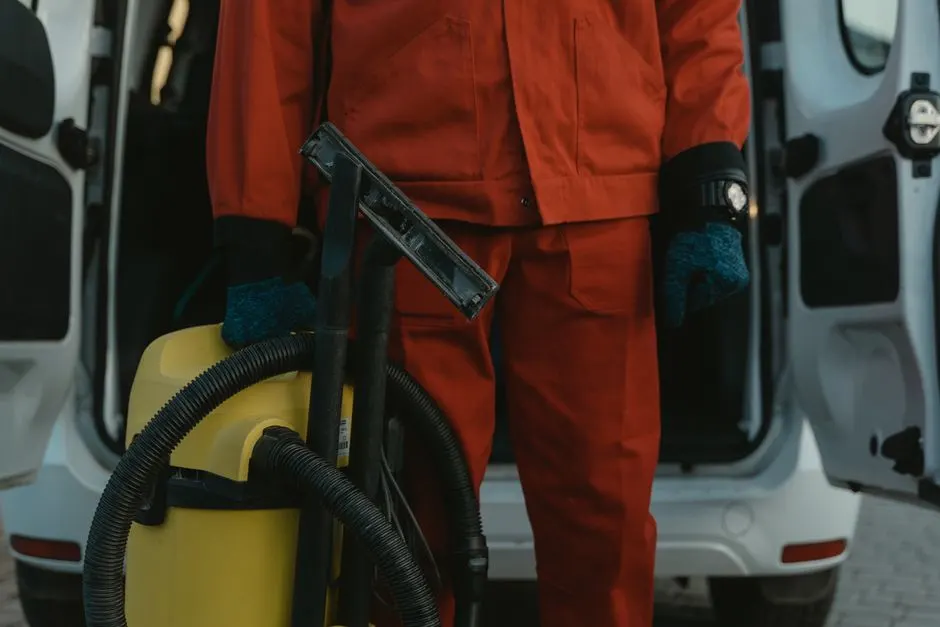
local Airduct cleaning
Our local Airduct cleaning crews work the same Freehold streets every week, so we know the duct layouts in Village Center colonials and Raintree ranches. If you are booking air duct cleaning for allergies in Freehold, this is the base service that removes the dust reservoir feeding your symptoms.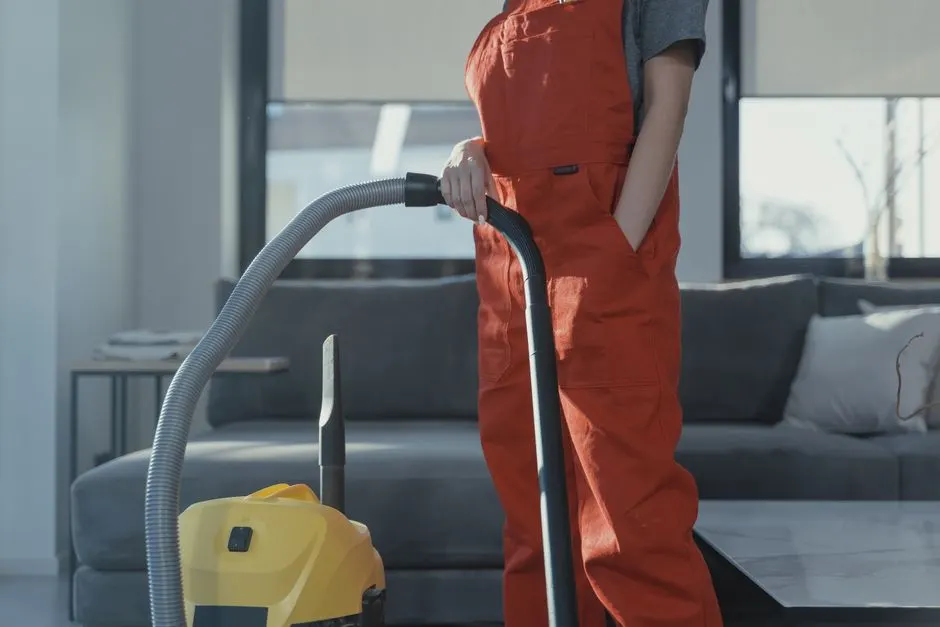
Airduct cleaning near me
Searching Airduct cleaning near me from a Freehold ZIP usually turns up franchises dispatching from an hour away. We are based here. That means faster arrival, no trip charge, and a technician who can come back if a register needs a second look after your allergy duct cleaning.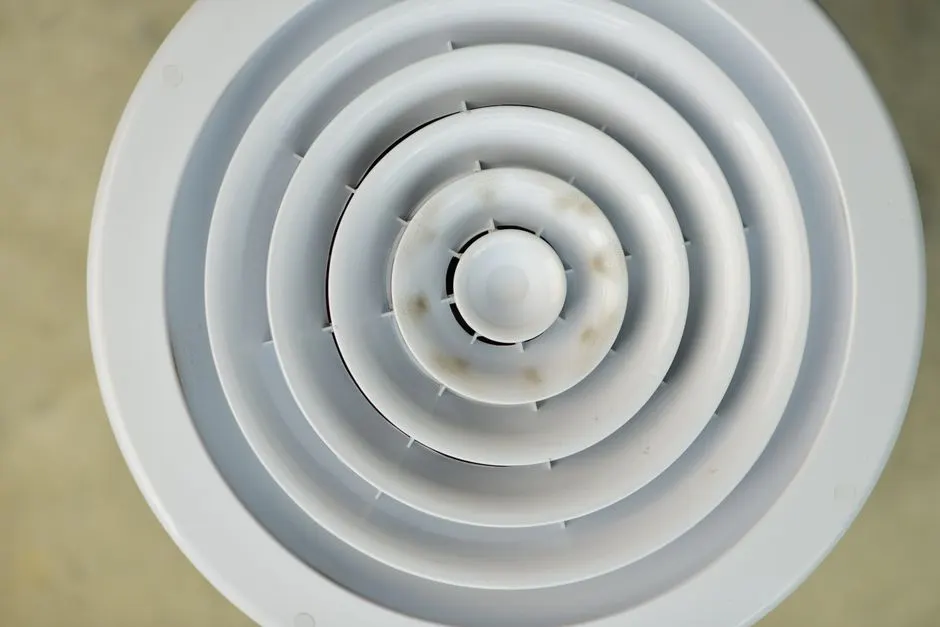
24/7 Airduct cleaning
24/7 Airduct cleaning matters when a dryer vent clogs on a Sunday night or a post-renovation dust load has your asthma flaring. We keep after-hours slots open for Freehold customers. Call (844) 803-5147 and we will tell you honestly whether it can wait until morning.Ready when you are
Book air duct cleaning for allergies in Freehold today
If your mornings start with sneezing and your registers puff dust when the heat kicks on, the ducts are the source. We are NADCA-certified, licensed and insured in New Jersey, and we quote flat-rate before we start. Call (844) 803-5147 for a same-day inspection.
Talk with the local team
Request air duct cleaning for allergies
Call (844) 803-5147 and a real person answers, not a call center. We book weekday appointments from 8 a.m. to 6 p.m. and keep after-hours slots for emergencies. If you leave a message, we call back the same day with a time window and a flat price range.